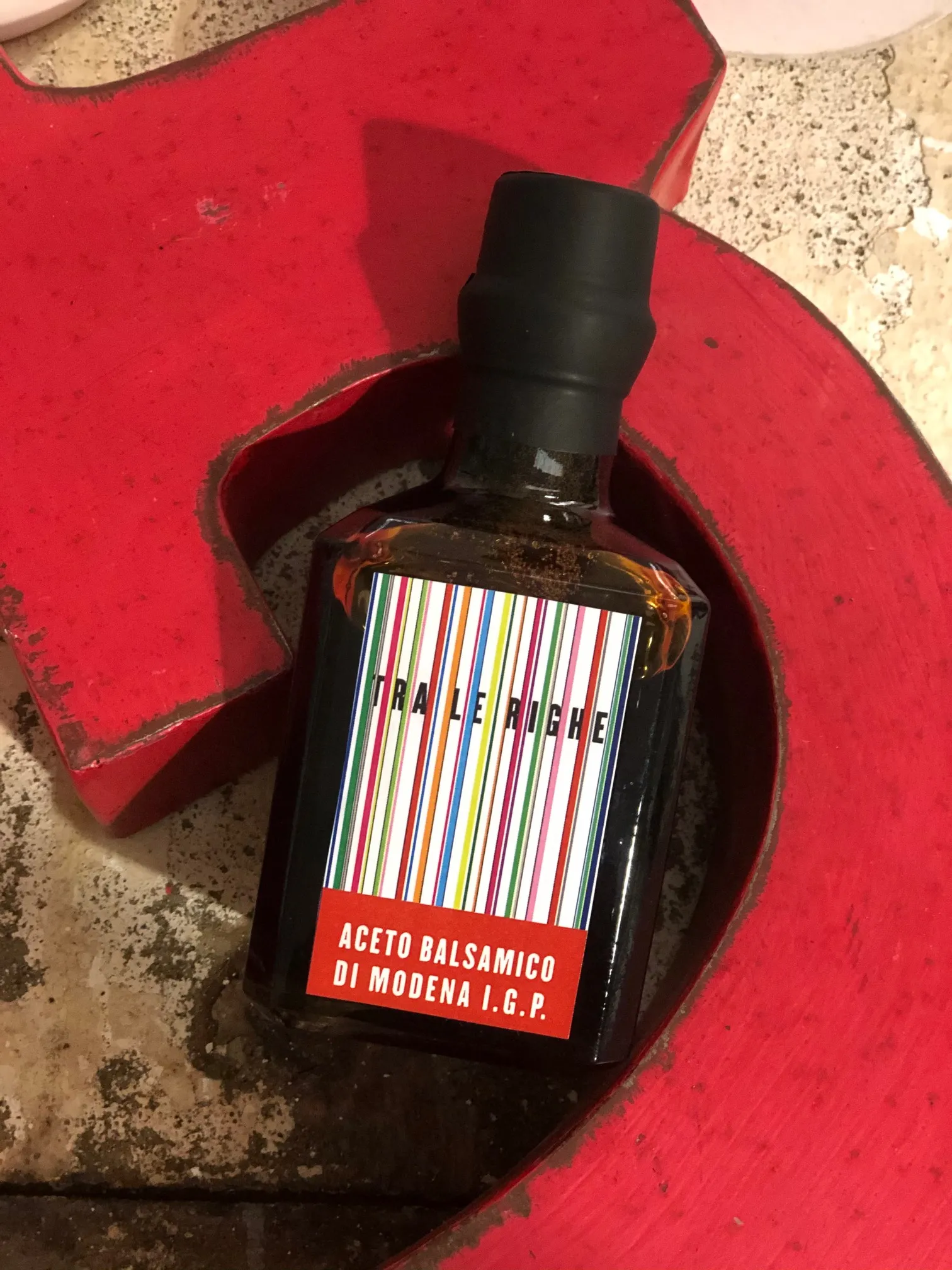
The Story of Balsamic Vinegar of Modena: History, Identity, Regulation, and the Role of Contemporary Line Tra Le Righe
Few products in the world of gastronomy carry the same aura as balsamic vinegar of Modena. Often described as “black gold,” it is more than a condiment—it is a symbol of Italian culture, time, patience, and craftsmanship. Yet behind its glossy bottles and global popularity lies a complex story shaped by centuries of tradition, evolving regulations, and modern reinterpretations.
Today, understanding balsamic vinegar requires navigating multiple layers: its ancient origins, its sensory characteristics, the legal frameworks that protect it, and the positioning of contemporary product lines—such as Tra Le Righe—within this ecosystem of quality and innovation.
This article explores that full landscape.
1. Origins: From Ancient Rome to Medieval Modena
The roots of balsamic vinegar stretch back to antiquity. The practice of cooking grape must—a thick, sweet reduction of grape juice—was already widespread in ancient Rome. Known as sapa or defrutum, it was used as a sweetener, preservative, and even medicinal substance. (Giusti 1605)
Over time, this culinary technique evolved in the Emilia-Romagna region, particularly around Modena and Reggio Emilia. By the Middle Ages, a distinctive type of vinegar had begun to emerge.
One of the earliest documented references dates to 1046, when a “perfect vinegar” from the Modena area was presented to Emperor Henry III—evidence that the product already held prestige and recognition. (Wikipedia)
A Noble Tradition
For centuries, balsamic vinegar was not a commercial product. It was a family treasure, produced in small quantities and carefully aged in attic spaces known as acetaie. These environments—subject to seasonal temperature changes—were essential to the slow transformation of grape must into vinegar. (Pushstart)
In aristocratic and bourgeois households:
- barrels were passed down through generations,
- vinegar was given as a wedding dowry,
- and small quantities were reserved for special occasions or medicinal use.
This intimate, domestic tradition shaped balsamic vinegar’s identity as a product of time, patience, and heritage.
2. From Artisan Secret to Global Product
The transition from private craft to global commodity began in the 19th and 20th centuries.
The term “balsamic” itself started appearing formally in the 18th century, used to distinguish a particular category of vinegar in noble courts. (Wikipedia)
However, it was only after World War II that balsamic vinegar began to spread widely beyond Italy. During this period:
- producers started blending cooked must with wine vinegar,
- production became more scalable,
- and balsamic vinegar entered everyday consumption. (Wikipedia)
This shift created two parallel worlds:
- Traditional balsamic vinegar (long-aged, artisanal, rare)
- Commercial balsamic vinegar (more accessible, blended, widely distributed)
This duality still defines the category today.
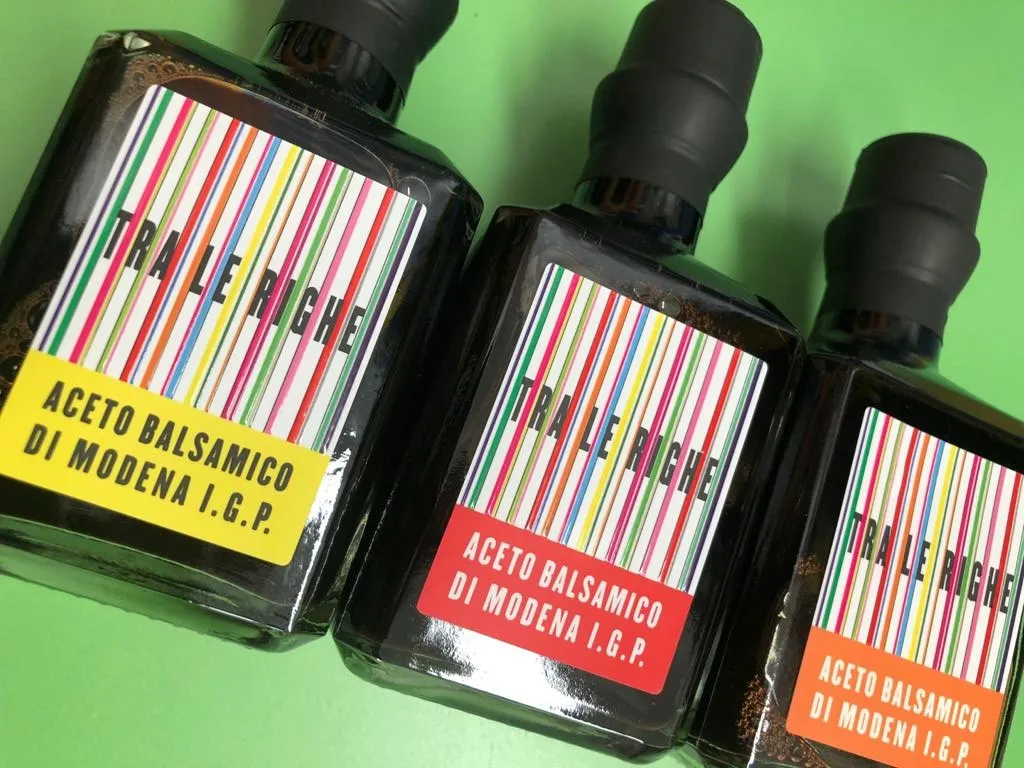
3. The Two Official Categories: PDO vs PGI
Modern balsamic vinegar is governed by strict European quality systems that distinguish between two main types:
1. Traditional Balsamic Vinegar (PDO / DOP)
- Made exclusively from cooked grape must
- Aged for at least 12 years (often much longer)
- Produced only in Modena or Reggio Emilia
- No additives allowed
- Extremely limited and expensive
This is the closest product to the historical tradition.
2. Balsamic Vinegar of Modena (PGI / IGP)
- Made from a blend of grape must and wine vinegar
- May include small amounts of caramel (up to 2%)
- Aged for minimum 60 days (or 3+ years for “aged” versions)
- Produced under regulated conditions but with greater flexibility (Wikipedia)
The PGI category is what most consumers encounter globally. It represents a balance between tradition and scalability.
4. The PGI Regulation: Protecting Identity in a Global Market
The recognition of Aceto Balsamico di Modena as a Protected Geographical Indication (PGI) in 2009 marked a crucial turning point. (Wikipedia)
This certification ensures that:
- production steps (blending, aging, bottling) occur in the designated region,
- approved grape varieties are used (e.g., Lambrusco, Trebbiano),
- acidity and density meet defined standards,
- the product undergoes quality control before release. (Wikipedia)
Key Technical Parameters
Under PGI rules:
- grape must content can range from 20% to 90%
- wine vinegar from 10% to 80%
- aging must occur in wooden containers
- acidity must meet minimum thresholds
This flexibility allows producers to create a wide spectrum of products—from light and tangy to dense and complex.
The Role of Consortia
To safeguard quality and authenticity, producers are organised into regulatory bodies such as the Consorzio Tutela Aceto Balsamico di Modena, founded in 1993. (Wikipedia)
These organisations:
- enforce production rules,
- promote the product globally,
- and protect the name from misuse.
They also introduced a classification system based on density and flavour profile, helping consumers understand differences in quality and intended use. (Wikipedia)
5. Characteristics: What Defines a Great Balsamic Vinegar?
Despite regulatory frameworks, quality in balsamic vinegar ultimately comes down to sensory experience.
Core Elements
A high-quality balsamic vinegar of Modena should display:
1. Balance
The hallmark of excellence is the harmony between:
- sweetness (from grape must),
- acidity (from vinegar fermentation).
2. Density and Texture
Higher-quality products tend to be:
- more viscous,
- smoother on the palate,
- and more concentrated in flavour.
3. Aromatic Complexity
Aging in wooden barrels contributes notes such as:
- dried fruit,
- wood,
- spices,
- caramel,
- and sometimes subtle smokiness.
4. Persistence
A good balsamic vinegar lingers on the palate, evolving over time rather than disappearing quickly.
The Role of Aging
Aging is perhaps the most critical factor in defining quality.
- Short aging (60 days) → sharper, lighter, more acidic
- Medium aging (1–3 years) → more rounded, balanced
- Long aging (3+ years) → deeper, sweeter, more complex
Products labeled “invecchiato” (aged) must mature for at least three years, offering a richer sensory profile. (Wikipedia)
6. The Problem of Perception: Confusion in the Market
Despite regulations, balsamic vinegar remains one of the most misunderstood food categories.
Several factors contribute to this:
1. Wide Quality Range
The PGI category includes both:
- entry-level supermarket products,
- and high-end artisanal blends.
2. Labelling Complexity
Terms like:
- “aged,”
- “premium,”
- “traditional style”
are not always legally standardised, leading to consumer confusion.
3. Price Disparity
A bottle of balsamic vinegar can cost:
- under $5,
- or several hundred dollars.
Without clear knowledge, it can be difficult to distinguish quality.
7. Tra Le Righe: Positioning Within the Balsamic Landscape
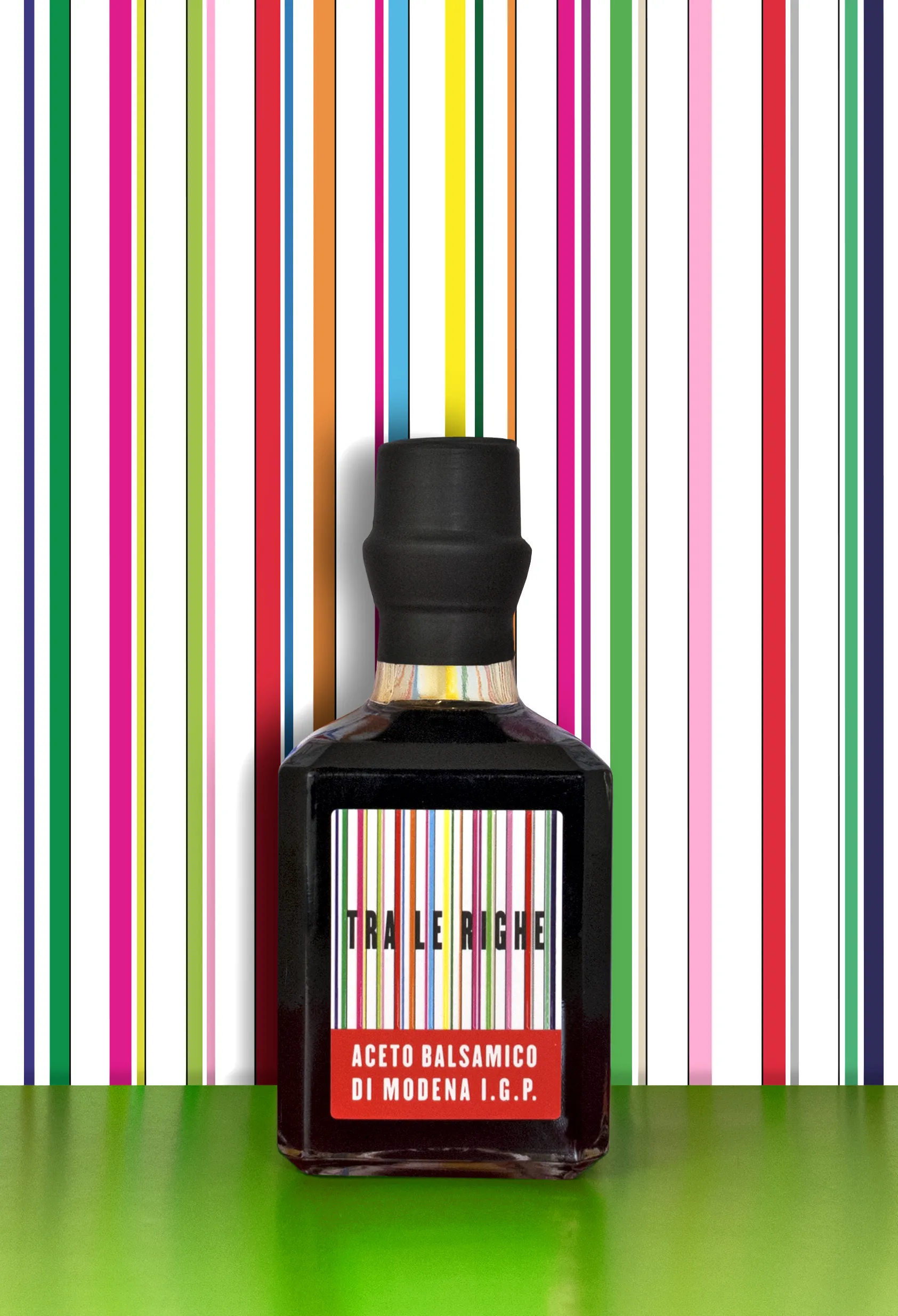
Within this complex environment, contemporary product lines such as Tra Le Righe play a crucial role.
While not part of the historic tradition in the same sense as PDO balsamic, lines like Tra Le Righe represent a modern interpretation of quality within the PGI framework.
A Design-Led Gourmet Approach
Tra Le Righe is associated with the broader philosophy of brands like Galateo & Friends, where:
- aesthetic design meets culinary quality,
- packaging becomes part of the experience,
- and products are positioned as lifestyle elements.
This aligns with a growing trend in premium food: the merging of gastronomy and design.
Quality Positioning
In terms of product quality, lines like Tra Le Righe typically emphasise:
1. Ingredient Selection
- higher proportions of grape must,
- careful sourcing of raw materials,
- controlled blending processes.
2. Sensory Balance
Rather than extreme acidity or excessive sweetness, the focus is on:
- harmony,
- versatility,
- and elegance.
3. Versatility in Use
These products are designed for:
- everyday gourmet cooking,
- plating and finishing dishes,
- pairing with modern cuisine.
Between Tradition and Innovation
Tra Le Righe occupies an interesting middle ground:
| Aspect | Traditional PDO | Standard PGI | Tra Le Righe |
|---|---|---|---|
| Raw materials | 100% must | Mixed | High-quality blends |
| Aging | 12+ years | 60 days–3 years | Often extended aging |
| Accessibility | Very limited | Widely available | Premium accessible |
| Design | Minimal | Functional | Strong design identity |
This positioning reflects a broader shift in gastronomy:
luxury is no longer defined only by rarity, but also by experience.
8. The Role of Modern Consumers
Today’s consumers are more informed—and more demanding—than ever.
They seek:
- authenticity,
- transparency,
- sensory pleasure,
- and emotional connection.
Brands like Tra Le Righe respond to this by combining:
- regulated quality (PGI standards)
- curated design and storytelling
- consistent sensory performance
This approach makes balsamic vinegar relevant not only in traditional Italian cuisine, but also in:
- contemporary gastronomy,
- international kitchens,
- and even mixology.
9. The Future of Balsamic Vinegar of Modena
The balsamic vinegar category continues to evolve.
Key Trends
1. Premiumisation of PGI
More producers are focusing on:
- longer aging,
- higher must content,
- artisanal techniques within industrial frameworks.
2. Design and Branding
Packaging is becoming increasingly important as:
- a differentiator,
- a storytelling tool,
- and a giftable element.
3. Global Culinary Integration
Balsamic vinegar is no longer confined to Italian cuisine. It is now used in:
- Asian fusion dishes,
- desserts,
- cocktails,
- modern plating techniques.
10. Conclusion: A Product Between Time and Innovation
Balsamic vinegar of Modena is a rare example of a product that successfully bridges:
- ancient tradition,
- strict regulation,
- and modern creativity.
From its origins in Roman grape must to its medieval refinement in Modena’s attics, from its transformation into a global commodity to its protection under European law, it has continuously evolved while preserving its identity.
Within this landscape, lines like Tra Le Righe represent the contemporary chapter of the story.
They do not replace tradition—but reinterpret it.
They demonstrate that:
- quality can be both authentic and accessible,
- design can enhance—not dilute—gastronomy,
- and everyday products can still carry cultural depth.
In the end, balsamic vinegar is not just about acidity or sweetness.
It is about time made visible,
territory made tangible,
and taste elevated into experience.